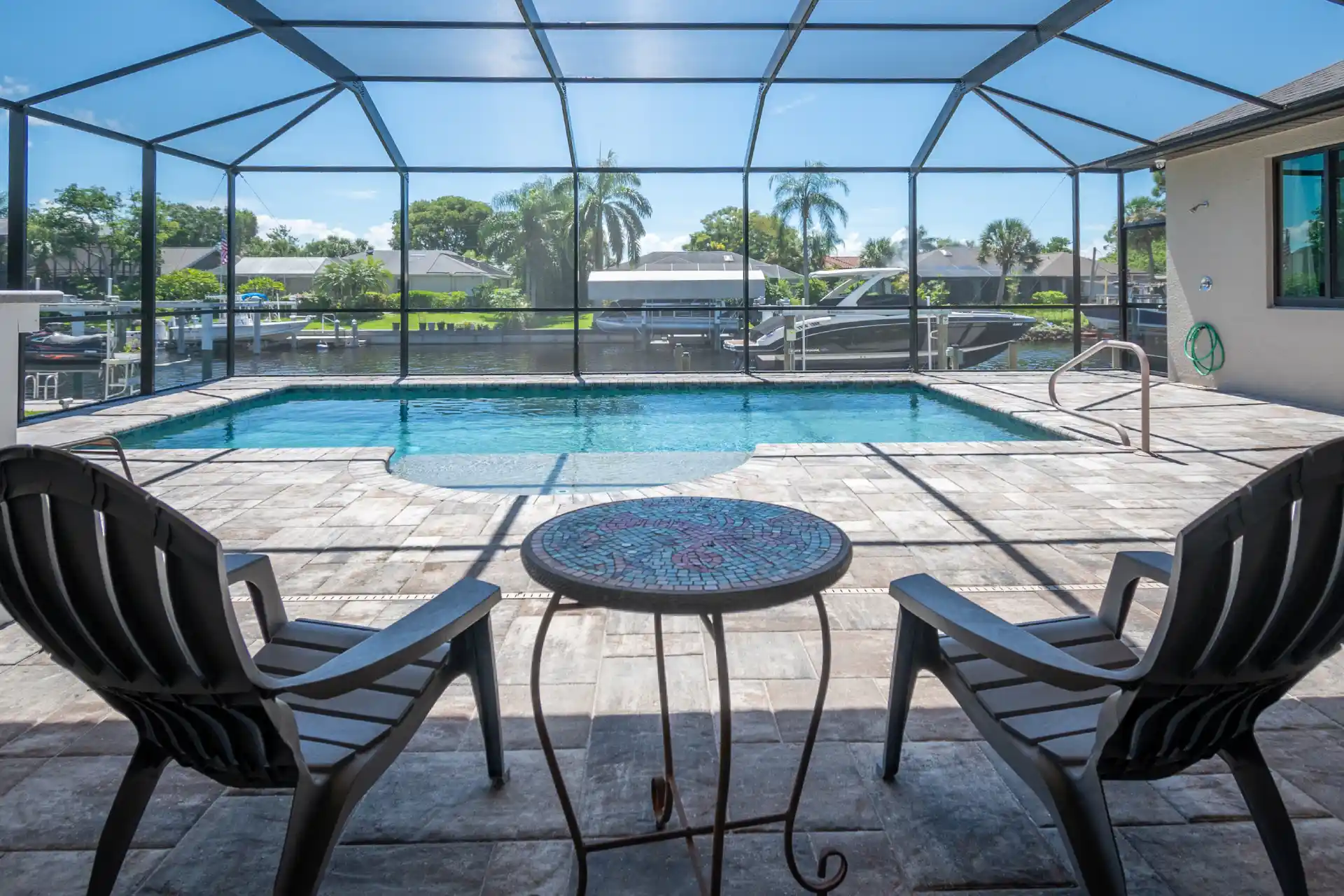
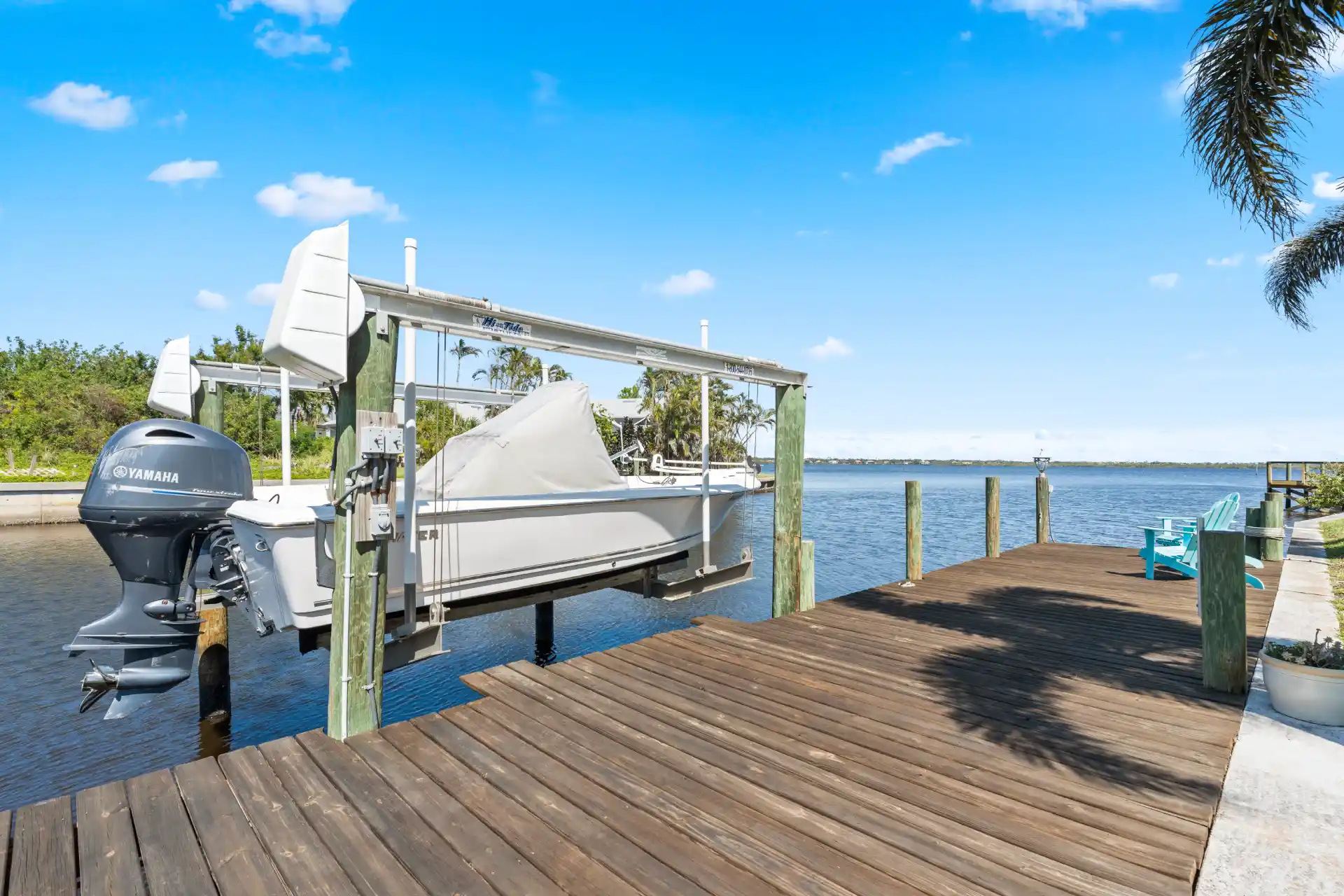
Moving to a canal home or bayfront residence along the Florida Gulf Coast is one of the most rewarding lifestyle choices you can make. Wake up to dolphin sightings, cast a line from your backyard, or jump on your boat for a sunset cruise in Lemon Bay.
However, waterfront properties come with unique details that standard inland homes don’t have. Knowing what to look for before making an offer will save you time, protect your wallet, and ensure your boat fits your dock perfectly.
1. Sailboat Access vs. Powerboat Canals
Not all waterfront access is created equal. In communities like South Gulf Cove, Englewood, and Venice, canals are categorized based on overhead bridge clearances:
- Sailboat Access: Means there are zero fixed bridges between your dock and open Gulf waters. This is essential if you own a sailboat or a large powerboat with a high tuna tower or hardtop.
- Powerboat Access: Means your boat will pass under one or more fixed road bridges. You will need to check the bridge clearance height at high tide to ensure your boat can pass safely beneath.
Pro Tip From Leslie
Always measure your vessel’s total height above the waterline (including antennas and radar domes) before starting your home tours.
2. Checking the Seawall Condition
In Florida, a seawall is one of the most important structural components of a waterfront property. Replacing a damaged seawall can be an expensive project, so checking its health during your inspection period is vital.
When viewing a home, look for visible cracks along the top concrete cap, bulging panels, or soil settling behind the wall. A licensed marine contractor can inspect the underwater tie-backs and give you a clean bill of health before closing.
3. Water Depth at Low Tide
A canal might look deep during a high afternoon tide, but water levels fluctuate throughout the day. It’s important to verify the controlling depth of both your boat slip and the entire canal channel out to open water during winter low tides.
4. Understanding Flood Zones & Insurance
Waterfront homes sit in coastal flood zones (often designated as Zone AE or Zone VE). An Elevation Certificate shows how high the home’s living area sits above sea level, which directly determines your annual flood insurance rate.
With proper due diligence and an experienced local team by your side, buying a waterfront sanctuary along the Florida Gulf Coast is a smooth, exciting journey. Contact Leslie Brown & The Sand Dollar Home Team today to start exploring active waterfront listings!